First time traveling to Greece? Here’s a practical guide that will help you prepare in advance so you can hit the ground running on Day 1!
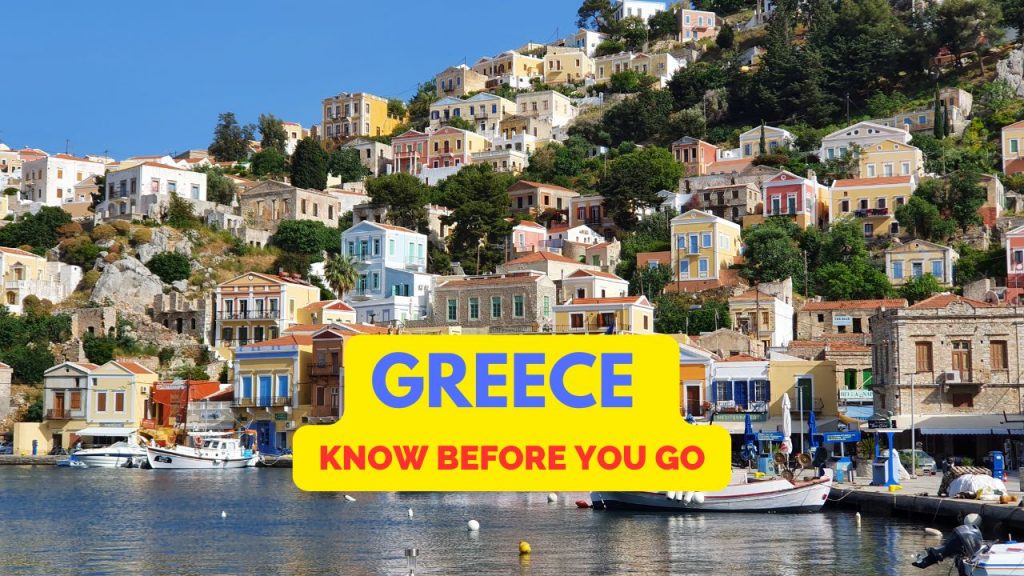
Greece is a mix of ancient history, stunning islands, and warm, lively culture. For first-timers, it helps to know what to expect, how to get around, and which experiences you can’t miss. There’s a lot of info covered here, but if you have any burning questions still unanswered, leave a comment at the bottom of the page!
Before You Go To Greece
In 2026, most travelers from major Western countries can still enter Greece visa-free. Schengen rules apply. Non-EU visitors will now undergo biometric checks at the border under the EU Entry/Exit System, which records fingerprints and a photo on first entry. Queues are going to be expected in airports as this is rolled into play, so you want to allow plenty of time between flight connections. The much delayed ETIAS pre-travel authorization is expected to launch later in 2026 – no firm date, and it’s a case of watch this space as I think it’s been delayed for several years so far!
Travel insurance is essential. Greece has excellent medical facilities, but there will most likely be a bill at the end of it, so best to make sure you are covered! In addition, many small islands may have only emergency medical facilities, and more serious conditions will likely necessitate a transfer to Athens.
Sort your phone out: Check out your phone provider’s policy for usage overseas, and start doing some maths. You might find it is simply easier to get an E-Sim card like Simovo in order to stay connected when in Greece. You do have the option of buying local SIM cards, but it is probably not worth the hassle for short trips.
Pack Wisely: Bring a European plug adapter, sunscreen (it can be expensive in Greece), mosquito repellent, light layers for hot days and cooler nights, and a reusable water bottle. Many islands have limited stores, so packing these essentials saves stress later.
Book accommodation and ferry trips in advance: Gone are the days where you could step off a ferry, and a crowd of yia-yias would be waiting to take you to their B and B. Nowadays, most accommodation is booked online and in advance. You particularly don’t want to be leaving it until the last minute if traveling in the peak season month of August. The same goes with ferry rides – Use the Ferryscanner site to look for routes and book tickets.
Arriving in Athens
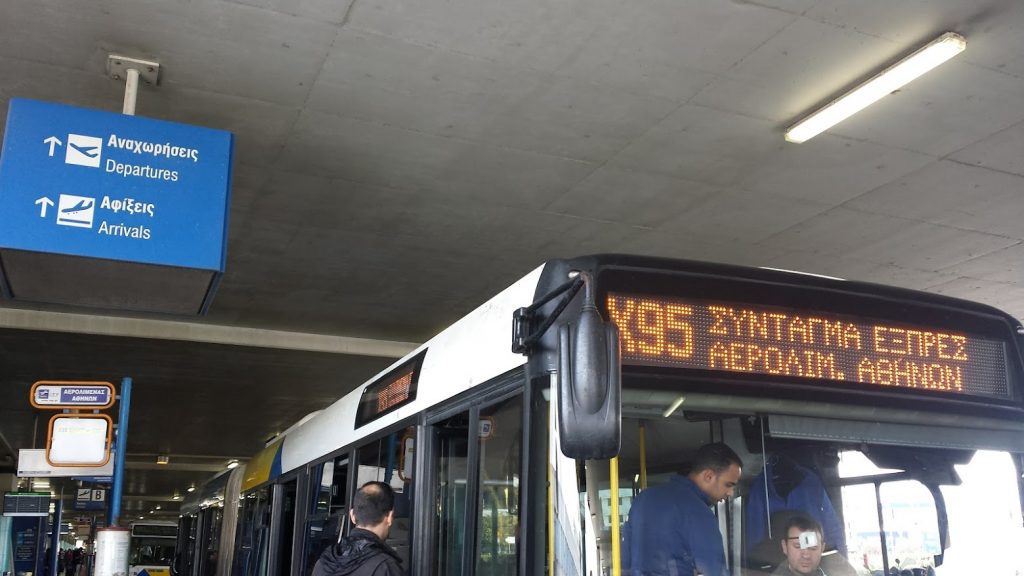
Not everyone arrives in Athens airport, but if you do, you have a few options to reach the city center. The Metro Line 3 “Athens & Airport” ticket costs €9 and takes about 30 minutes to Syntagma, the fastest route. If you want a cheaper option, the X95 bus runs every 15–20 minutes for €5.50, though it’s a bit slower. Taxis are also an option, but keep in mind Uber doesn’t work like you think it might in Greece.
Getting Around
Public transport is generally reliable in Athens, Thessaloniki, and the larger islands. Trains are scenic, but don’t expect speed—they’re best for leisurely travel. Ferries are the main connection between islands; during summer, it’s wise to book a few days in advance to secure your preferred departure time. For longer distances, domestic flights on Aegean or Olympic Air can be surprisingly affordable, sometimes as low as €25 (in the off-season anyway!).
Athens has a good metro system, taxis can also be a good way to get around. The islands are different though. Some of the bigger ones like Rhodes and Crete have good bus networks, but on small islands, you may be better off renting a car. Don’t be tempted to rent a car in Athens though, as the traffic is absolute chaos and parking is a nightmare.
Money Matters
Greece uses the Euro, and card payments are accepted almost everywhere (apart from American Express). Keeping some cash for small markets, local cafes, or rural areas is smart. Use bank-affiliated ATMs and avoid airport or ferry terminal exchange kiosks—they often give poor rates. Keeping your money in a mix of cards and cash is the easiest way to avoid inconvenience. The old adage of cash is King is no longer true, and you will rarely get a discount for cash – although never say never!
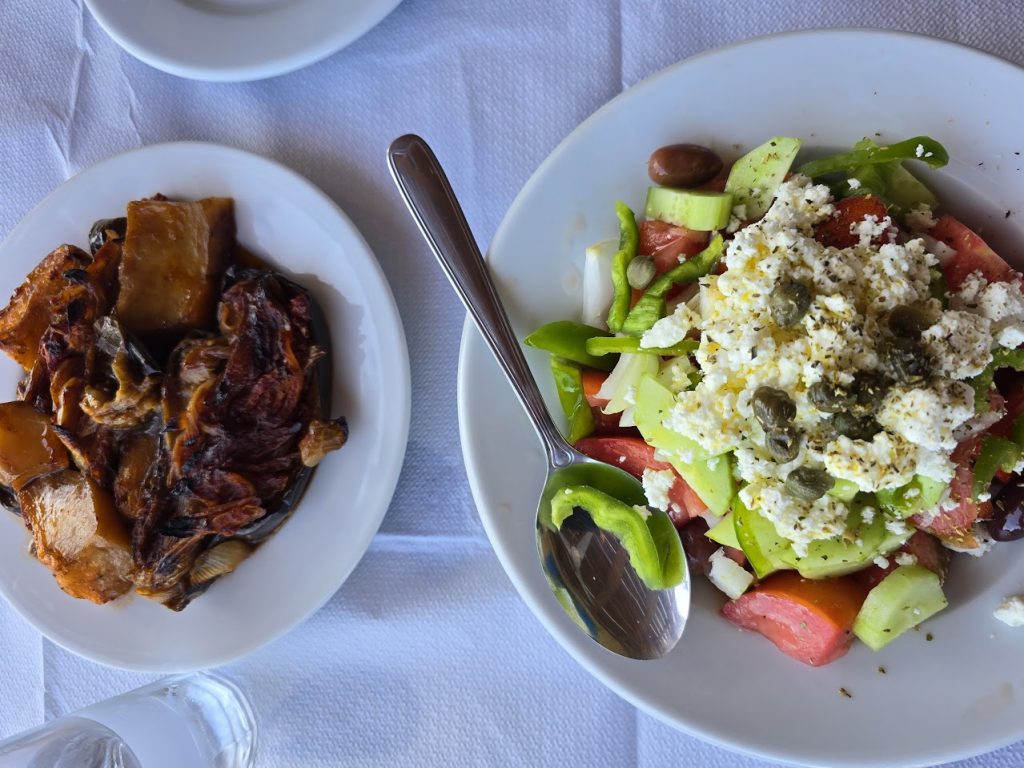
Food & Drink: Greek cuisine goes far beyond gyros and souvlaki. Meze plates, fresh seafood, hearty salads, and vegetarian staples like fasolakia, fava, and aginares are widely available. Greek coffee is strong and usually served in a tiny cup; try a Freddo (iced) on hot days—it’s refreshing. Many tavernas even offer a complimentary spoon of sweets (glyka) with yogurt. Tipping is not required, but leaving €1–2 for good service is appreciated. Remember that Greeks eat late: lunch around 3–4 pm and dinner closer to 9–10 pm.
Culture & Etiquette
Greek is the official language, but English is commonly spoken in tourist areas. Learning a few basic Greek phrases like “Kalimera” (good morning) is appreciated. Sundays and major holidays often see shops closed in the cities, so plan ahead. In the tourist season though, islands and main tourist centers are bustling days a week – you can always find somewhere to eat and drink.
Most Greeks are Orthodox Christians, and modest clothing is expected in churches. On beaches or casual outings, sandals or sneakers are fine. Toilets often don’t allow paper to be flushed—bins are provided, so follow local practice unless you want to flush and find the water spilling over the toilet.
Health & Safety
Mosquitoes can be annoying during the summer, so repellent and long sleeves at dusk are smart precautions. Mosquitoes in Greece are not normally disease carrying (no malaria), however as climate change accelerates, this may not be the case in future years.
Petty crime like pickpocketing occurs near major tourist spots such as the Acropolis, Plaka, and Monastiraki, so keep valuables secure. Pay particular attention on the Acropolis metro line, and the metro line to and from the airport. Violent crime affecting tourists is extremely rare. Emergency services can be reached at 112 (police, fire, ambulance).
Must-See Highlights
In Athens, don’t miss the Acropolis, Acropolis Museum, Plaka, Monastiraki, and Ancient Agora. In the north, Thessaloniki offers the White Tower and beautiful promenade walk, while Halkidiki’s beaches and Mount Olympus appeal to nature lovers.
Island lovers will appreciate highlights that include Santorini’s Oia sunsets, Mykonos’ Little Venice, Crete’s Heraklion and Samaria Gorge, Zakynthos’ Navagio Beach, Naxos, and Hydra’s historic port. Heritage sites like Delphi, Meteora, and Rhodes Old Town are unforgettable. For hiking enthusiasts, Vikos Gorge, Mount Olympus trails, and Samaria Gorge in Crete offer spectacular scenery.
For a small country there is a tremendous amount to see and do – after all there are over 100 inhabited islands as well as the under-appreciated mainland. A general rule: spend two to three days per major destination to fully enjoy it without burnout.
Island Hopping
Ferries remain the primary way to visit the islands, although the bigger islands do have airports which connect with Athens and some international destinations directly. Check ferry schedules and book tickets online with Ferryscanner. In the summer, book a few days ahead for popular departures.
Festivals & Best Time to Visit
Greek festivals are fun and lively. Orthodox Easter in spring brings big feasts and quieter cities, while Apokries (Carnival) in February, especially in Patras, is colorful and festive. Summer (June–August) is peak tourist season, with crowded beaches and festivals, whereas late September–October offers warm weather and smaller crowds. Thessaloniki hosts a film festival in November, and December brings festive markets and seasonal sweets. In my opinion the absolute two best months to visit are June and September.
That’s a bit of a zero to hero look at what you need to know before coming to Greece! Have any questions? Just leave them below.
 – Dave Briggs
Dave is a travel writer from the UK who has been living in Athens since 2015. As well as creating this blog post for first-timers planning a trip to Greece, he's written many more travel blogs and itineraries for destinations all over Greece. Follow Dave on social media for travel inspiration from Greece and beyond: